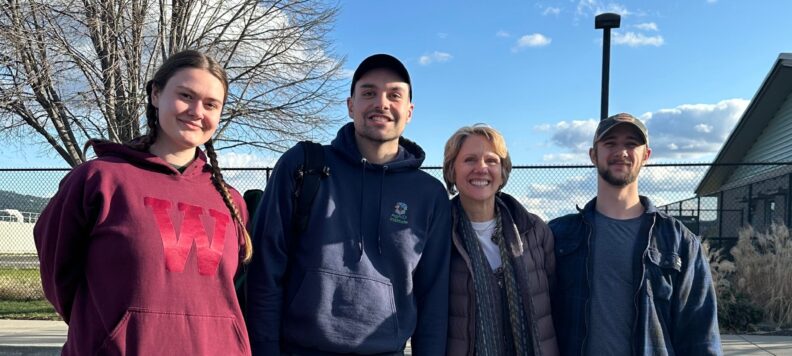
The WRC hosted a two-day program on Water Sciences for Washington State Judges at the end of March. Faculty from WSU CAHNRS School of Economic Sciences, Biological Systems Engineering, CAHNRS-CAS School of the Environment, VCEA Civil and Environmental Engineering, and faculty from the University of Washington School of Aquatic and Fisheries Sciences led discussions on surface and groundwater hydrology, water use, anadromous fisheries science, hydroecology and water quality, irrigation science, agricultural economics, municipal water use and measurement, and the implications of climate and demographic change on water security and scarcity.
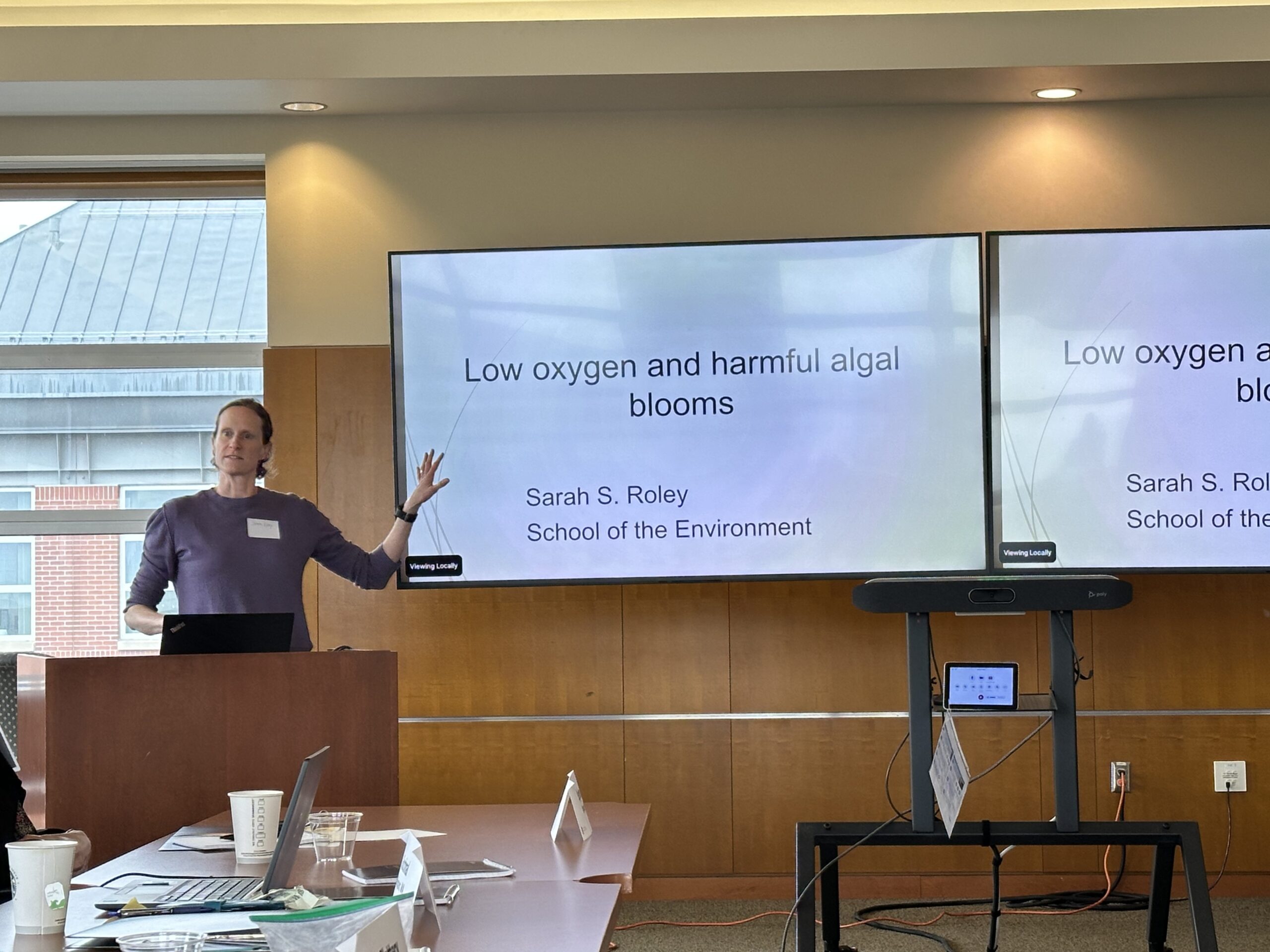
The WRC co-developed the program in collaboration with the National Judicial College (NJC) through their Dividing the Waters Program. “What impressed me and the Judges last week was how all of the diverse water science topics were all connected. Each topical discussion contributed to our broader understanding of how water sciences interact with each other and with the communities that rely on water”, said Alf Brandt, co-organizer of the program and Associate Director of Justice Solutions and Innovation at NJC and Dividing the Waters Staff. “The faculty had thought carefully about how judges use and need science in their water cases,” he said.
The second day of the program was a field trip that included visits to Lower Granite Dam on the Snake River, wetlands, irrigation projects, water treatment facilities, and conversations with a water bank manager. All judges attended, three faculty, and three WSU graduate students.
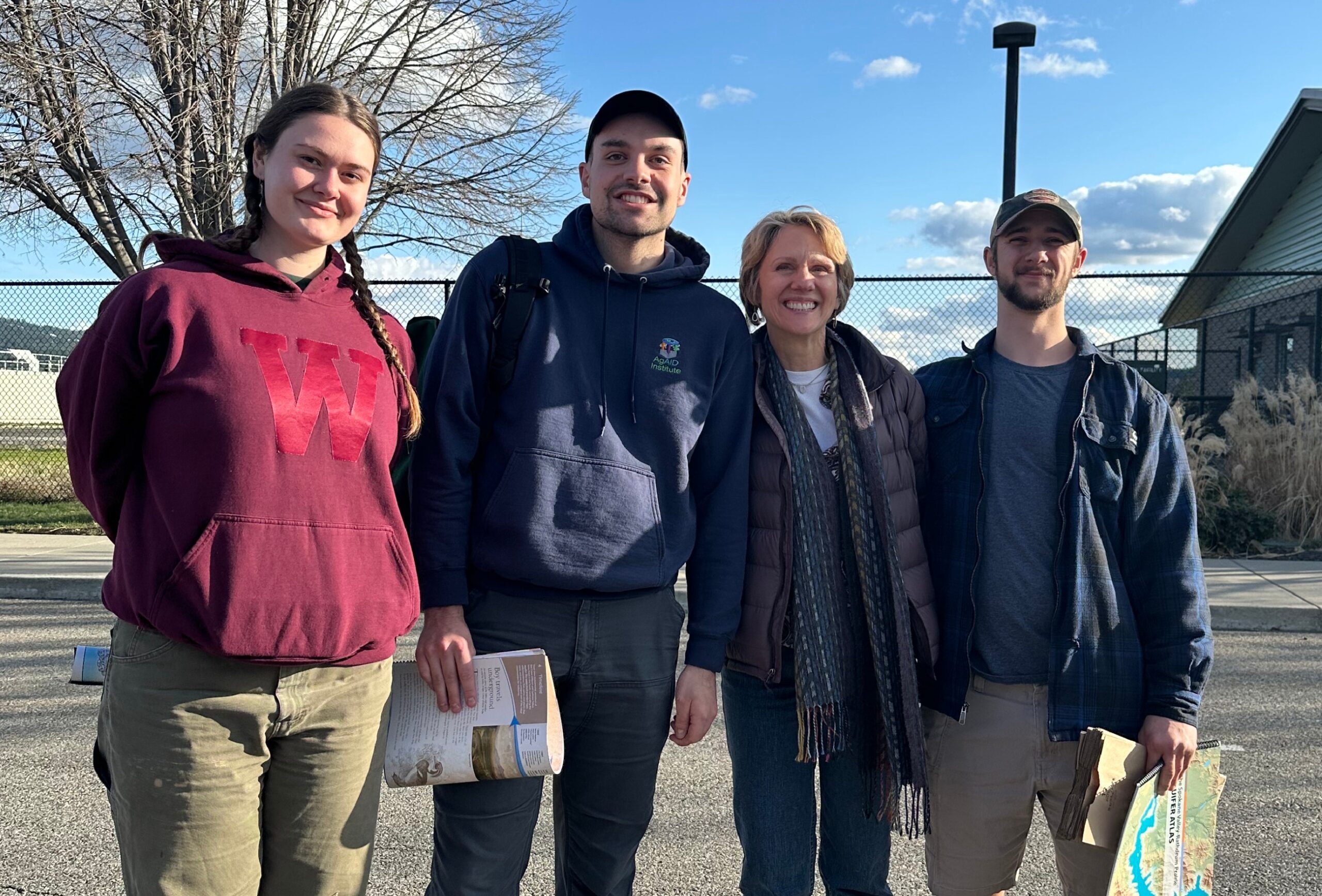
Faculty and student contributors
- Michael Brady, WSU
- Joseph Cook, WSU
- Angela Dillon, UW
- Jacob Gifford, WSU
- Sarah Hewitt, WSU
- Elijah Moser, WSU
- Troy Peters, WSU
- Sasha Richey McLarty, WSU
- Julie Padowski, WSU
- Kirti Rajagopalan, WSU
- Sarah Roley, WSU
- Mark Scheuerell, UW
- Jonathan Yoder, WRC, WSU